


Has Europe Become Too Popular with Tourists?


Weekly Radar Issue 40 Is Out
Seven professional fields, 49 news stories and four in-depth analyses in one magazine, covering what really matters in tourism, hospitality and transport this week.
One of the most interesting questions facing European tourism today is no longer how to attract ever more visitors, but what to do when a destination becomes too successful for its own good. Mallorca, Barcelona, Venice and increasingly crowded European cities show that growth alone is no longer an adequate measure of success. Visitor numbers, residents' quality of life, transport, housing, the environment and the real economic value of tourism are increasingly inseparable.
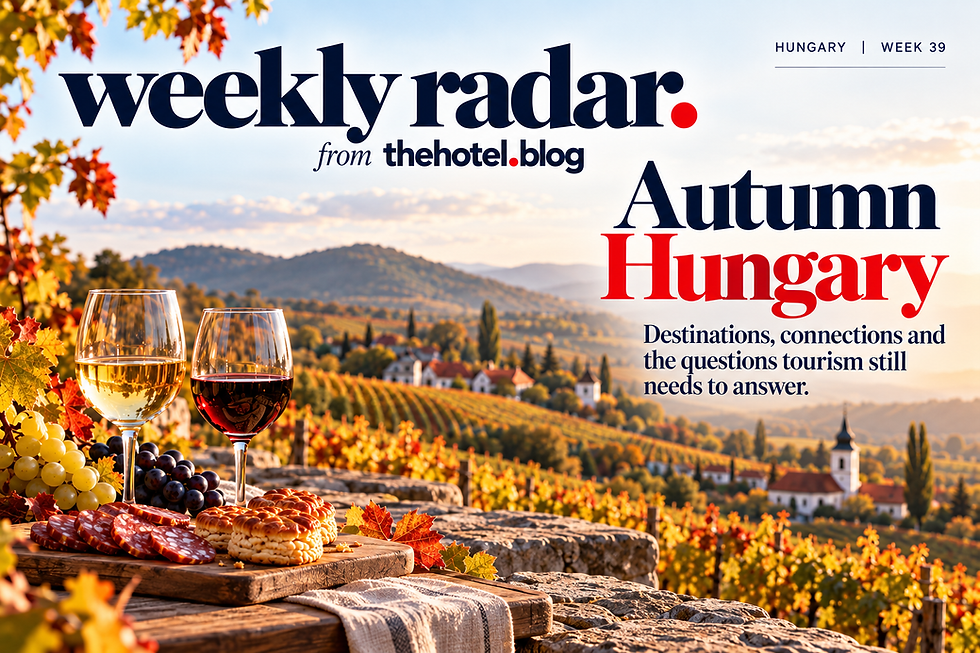
weekly radar. Issue 40 traces this change across tourism's various fields. We did not simply produce a news roundup. We examine the business, operational and social processes behind each story, and what managers of hotels, restaurants, tourism companies, transport systems and destinations should take away from them.
Mallorca Is Only the Most Visible Example
The question on the cover is: "Has Europe Become Too Popular with Tourists?"
Mallorca's tourism sector remains exceptionally strong, but debate is intensifying over where its economic success ends and overtourism begins. This is no longer simply a Spanish or Mediterranean problem. Popular destinations around the world face the same dilemma: how can they retain tourism revenues while ensuring residents do not find their cities and regions increasingly difficult to live in?
The question, therefore, is not whether we need tourists. It is what kind of visitors arrive, at what time of year, how much they spend and what transport and environmental pressure they create.
Has Flying Become More Dangerous?
Recent aviation accidents and incidents have once again focused attention on flight safety. But the statistics paint a far more complex picture than a few widely publicised events might suggest.
The magazine examines how safety indicators have developed and why the human factor, training, organisational culture and operational discipline are increasingly prominent in the discussion.
The Hotel Is Full. But Is the Guest Spending?
The example of Golden Week illustrates another important change in tourism. Guests are not necessarily travelling less, but they are much more deliberate in deciding what to spend their money on.
Good location, reliable quality, local gastronomy, authentic activities and genuine experiences can still generate higher guest expenditure. Routine, overpriced ancillary services are increasingly difficult to sell.
This is an important message for hotels: the winner in the next period will not necessarily be the cheapest provider, but the one whose value proposition is clearest to the guest.
Inside Weekly Radar Issue 40
The magazine selects and analyses the week's most important international developments across seven professional fields: tourism and destinations, hotel operations, hospitality and gastronomy, aviation, rail and urban mobility, cruising, and wellness and tourism attractions.
A total of 49 professional news stories and four major analyses appear in this 28-page publication. In each case, we seek practical conclusions that tourism professionals can apply.
The PDF includes directly clickable source links, and the complete magazine is searchable and its text can be copied, making it useful as a lasting professional reference, not just something to read once.
Read and download the complete PDF of weekly radar. Issue 40 here:
Seven professional fields. Forty-nine news stories. Four in-depth analyses. One week in the world of tourism, with the connections behind the headlines.
This article was translated from the original Hungarian using artificial intelligence. The original language is Hungarian.


Comments