


Could Domestic Tourism in Hungary Emerge as a Winner?

As surprising as it may seem, alongside opportunists exploiting the COVID crisis, domestic and rural tourism in Hungary could also emerge as a winner — provided the industry responds intelligently.
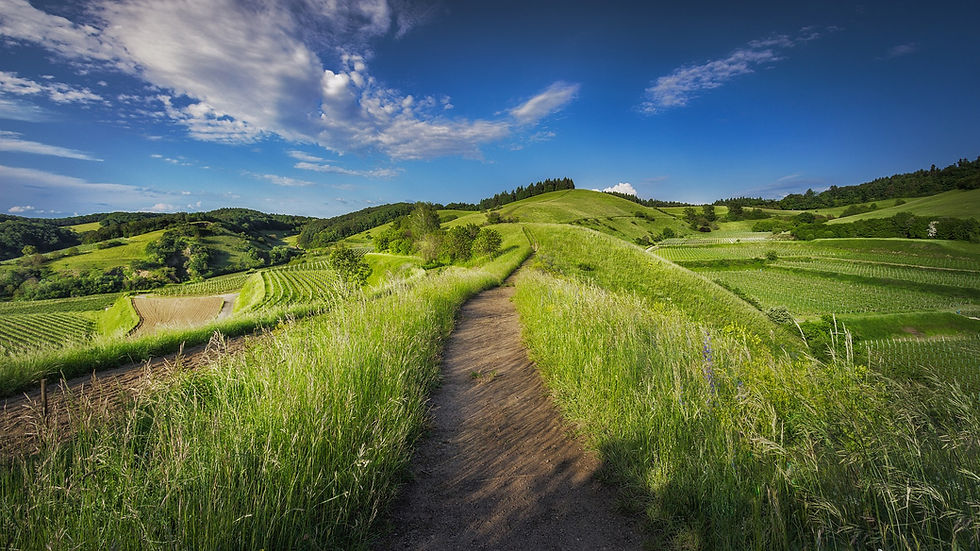

Many will remember the financial crisis of 2008, when Germany set an example by promoting holidays at home. Domestic tourism campaigns and supportive measures helped protect an industry already exposed to overtourism and the growing crowds drawn by low-cost travel.
Other countries followed that example, but it required accommodation and services capable of responding to local residents' needs, which can differ significantly from those of international tourists. There also had to be a culture of domestic travel and sufficient purchasing power to support it.

The impact of COVID-19 in 2020, however, was far greater than anyone could have imagined. It struck economies and tourism worldwide, including hotels, river and ocean cruising, restaurants, railways, buses, airlines and other passenger transport. Some described the situation as resembling wartime because industries had not seen a comparable contraction since the world wars.

The European Commission has recently published its forecasts for this year and the next, available here: https://ec.europa.eu/info/sites/info/files/economy-finance/ip125_en.pdf
The International Monetary Fund's assessment provides equally valuable material for professionals and anyone interested in the numbers: https://www.imf.org/en/Publications/WEO/Issues/2020/04/14/weo-april-2020
These documents suggest that the most exposed countries are often those where industrial output is below the EU average and/or tourism revenues account for at least 20% of the national economy.
Hungary and Malta are classified among countries with relatively low exposure despite their substantial tourism sectors. Croatia, by contrast, is in a vulnerable category because tourism contributes more than 20% of its economic revenues while industrial output is relatively low.

At the end of March and beginning of April 2020, we and our partners participated in a representative four-country survey in Croatia, Hungary, Serbia and Slovenia. It paints a clear picture of how demand can change and how rapidly target groups and their requirements can shift under circumstances such as these.

Respondents were selected from potential travellers in each of the four countries according to these criteria:
- They had made at least four international trips of at least three days each during the preceding year.
- They had spent at least €500 per person per trip on transport, accommodation, meals, experiences and shopping combined.

It is striking that travellers in all four countries spend approximately the same amounts on accommodation, food, experiences and shopping. The main difference is the cost of transport, particularly flying. Travellers from Hungary enjoyed much more favourable airfares from Budapest and, in western Hungary, also from Vienna. Transport costs tended to be higher in the neighbouring countries and were highest in Serbia.


In this crisis, Hungary occupies a special position across the tourism industry despite the almost complete disappearance of inbound visitors in the second quarter and the expectation of declines exceeding 60% in the third and fourth quarters. Low-cost visitors, cruise tourists, Airbnb guests and hostel travellers are all affected.

Unlike the Baltic countries, Hungary and its neighbours have always had strong traditions of domestic holidays alongside visits to nearby countries within one or two hours' travel.

Hungarian survey respondents, much like those in neighbouring countries, indicated that they would spend a higher nominal amount on accommodation and food, while maintaining roughly the same percentage of their reduced budgets for experiences.

Hungarian travellers with spending power expect to make savings on transport — particularly air travel — and on souvenirs and other less essential purchases during trips.

Rather than exploratory journeys abroad, Hungarian travellers currently prefer domestic stays, especially reliable, friendly and family-run accommodation and services outside Budapest. The trend represents a reversal of previous priorities: demand for domestic and international travel is effectively swapping places.
Our next articles will examine the new demands and expectations of travellers in greater detail, helping hotels and restaurants prepare.
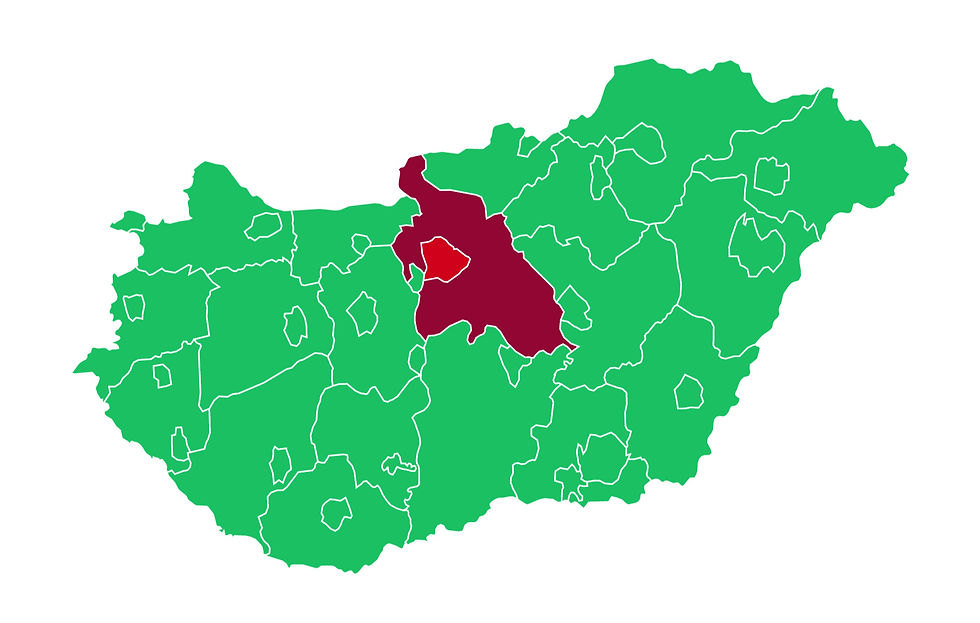
It takes no mathematician to recognise the enormous opportunity for rural tourism businesses, restaurants, attractions and accommodation. Strong visitor figures previously associated mainly with Budapest and Lake Balaton could spread to other destinations with suitable offers, while Budapest could find itself bringing up the rear.

About the author:
Tamás Pakuts has worked actively in aviation and tourism for almost 35 years, and in hotels and hospitality for nearly 20 years.
As a manager and consultant, he has gained insight into several airlines, hotels, hotel groups and cruise companies, contributing to their operations, crisis management and development.
Today he and his colleagues work internationally as experts, advisers and trainers in hospitality and aviation, developing projects with international significance.
This article was translated from the original Hungarian using artificial intelligence. The original language is Hungarian.


Comments