


Hotel Design as Provocation and Profit Generator

How much is good design worth in a hotel?
We need to begin with definitions: what do we mean by good design? Is it beautiful, comfortable, unusual, unique or artistic? What does that even mean in a hotel: only in public spaces, or also in the guest rooms? Does good design have to be expensive? Is it high-quality, easy to operate, clean, replace and repair?
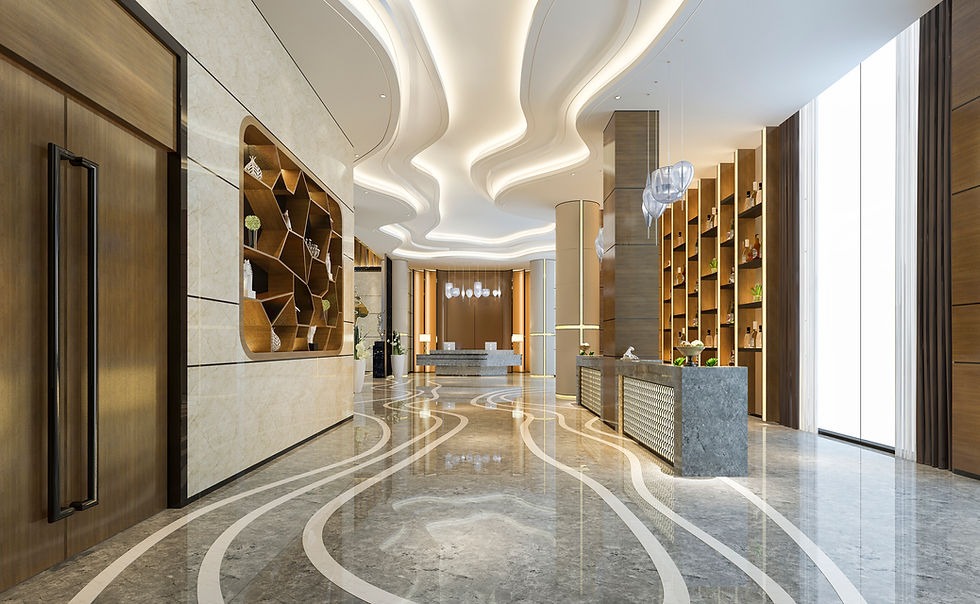
For a long time, hotels allowed design to be mainly a vehicle for the self-expression of selected owners and interior designers, usually restricted to lobbies or restaurants. Gradually, however, the spirit of design has begun to reach even the back-of-house and back-office areas hidden from guests.

A growing proportion of discerning travellers now consider design when choosing accommodation, alongside location, quality and good guest reviews. They may even accept a higher price to get it.

An earlier survey of ours examined sensitivity to design among business and city-break travellers. In Western Europe, 25% of business travellers, and already 19% in Eastern Europe, were willing to book an unusual, themed, individual hotel, even abandoning loyalty to a familiar chain used for years. Guests may be willing to pay as much as 40% more for a different experience, while more price-sensitive Eastern Europeans might still pay up to 30% extra for a place that will surprise friends and colleagues.

A well-conceived and well-executed theme can outweigh numerous other preferences, from location and price to hotel category, especially when it carries through to ancillary services such as restaurants and bars.
The Provocateur Hotel in Berlin is an excellent example, with the playful promise of its name and a bar and restaurant of international distinction. Munich's Cocoon hotels succeed with their countryside and Alpine themes, while Erik's Hotel in the greater Munich area thrives because of its individuality and story. Then there are Roomers properties, part of the Gekko Group's hotel and restaurant portfolio, whose founders have repeatedly been recognised as hoteliers of the year in Germany. Even the simply conceived Austrian Roomz has found its audience in the budget segment.
Once, attractive colours and visual harmony were enough. Minimalist design, unexpected palettes or more comfortable, better-quality rooms could provide differentiation, but that era is over. Without an experience, these features now mean far less.

As the average age of travellers falls, the gap keeps widening between their search for memorable experiences and the reliable but dull, static standards of conventional international hotel brands. That desire for something less formulaic is also spreading to older travellers and business guests.

The obvious response is that global hotel giants are frantically introducing new themed or target-group-oriented brands to counter the growing appeal of independents. Hastily invented or remodelled brand names and style concepts can be difficult to follow, hard to distinguish and disconnected from genuinely identifiable customer groups.
Traditional hotel brands are gradually losing some of their shine, including Hilton, InterContinental and Marriott, because who can still keep track of which group owns Moxy, Edition, Tempo, Voco, Tapestry Collection, Hualuxe, Avid, LXR or Gaylord?

The struggles and reinventions of traditional hotel brands also help explain the success of powerful online distribution platforms: they know their users' needs precisely and can respond with targeted offers. Independent hotels offering quality and distinctive design, however, are preparing a breakthrough with their own equally individual distribution channels.
I am convinced that the balance could shift in their favour. Let us support quality, and demand real experiences!

About the author:
Tamás Pakuts has been active in aviation and tourism for nearly 35 years and in hotels and hospitality for almost 20 years.
As a manager and consultant, he has gained insight into numerous airlines, hotels, hotel groups and cruise companies, contributing to their operations, crisis response and development.
Today he and his colleagues work as international experts, advisers and trainers in hospitality and aviation, while developing several projects of wider professional interest.
This article was translated from the original Hungarian using artificial intelligence. The original language is Hungarian.


Comments