


Reporting from Slovenia: A Clear-Headed Return to Tourism


Our Slovenian neighbours are doing well, thank you very much. They have a clear-headed approach to tourism, hotels and hospitality. There is no pervasive pessimism or gloom. Looking forward, they are optimistic about the season beyond the seaside resorts, and there is no COVID panic.

Certain rules are followed with impressive discipline: whenever you enter a shop, restaurant or hotel, you have to disinfect your hands, and facilities are provided everywhere. It all works with remarkable ease and naturalness.
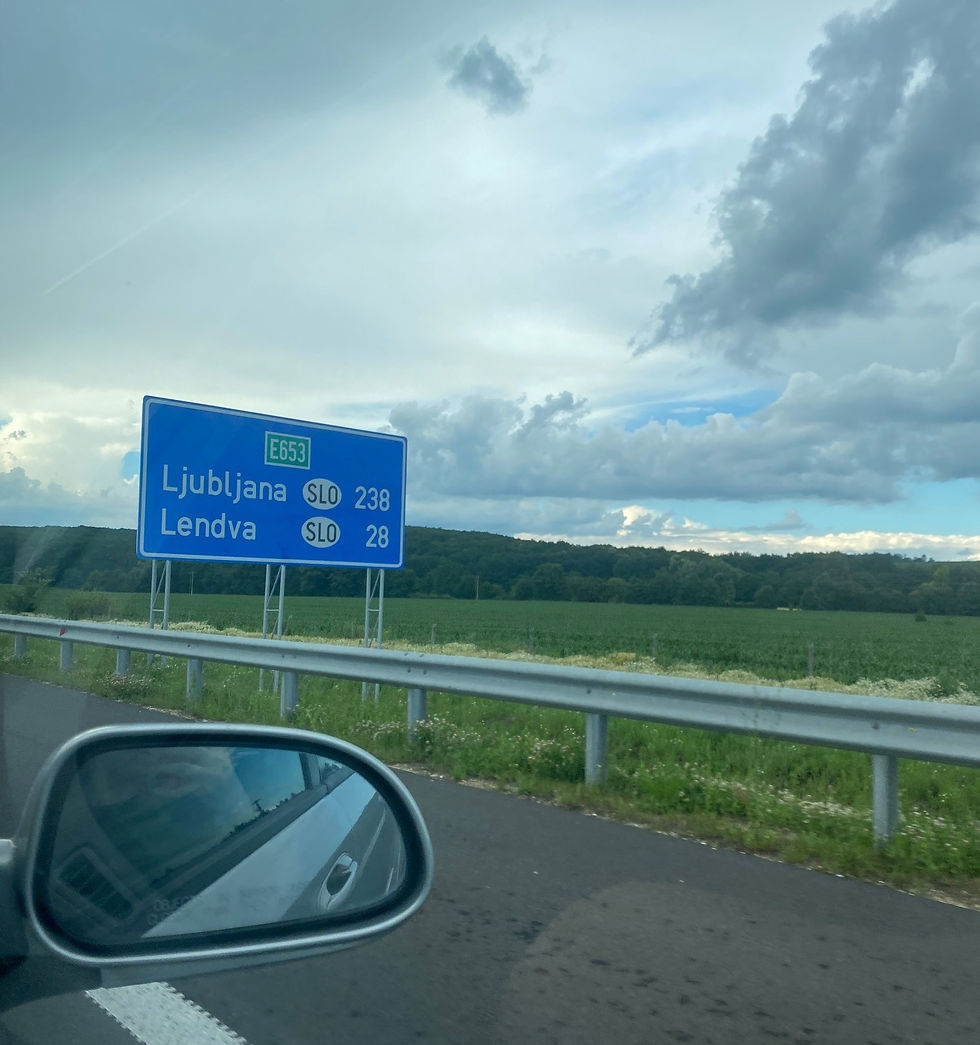
Crossing the Hungarian-Slovenian border is straightforward. Traffic flows freely on the Hungarian side; on the Slovenian side there is only a visual check while vehicles slow down, with more detailed checks mainly for non-EU travellers. From 19 June 2020, tighter controls were reinstated for arrivals from Serbia and Bosnia and Herzegovina following an increase in coronavirus cases linked to those origins in Slovenia and Croatia.

Life has returned to Ljubljana. The crowds are not yet at pre-pandemic levels, making the beautiful city and its excellent hospitality even more enjoyable. Restaurant operators are not complaining: locals, who were already loyal customers, are happily spending money close to home. Foreign visitors are just as welcome. We were met with helpfulness and courtesy, and Slovenians seem to have become even better hosts.


The market is open, offering a remarkable, enviable range of fresh, high-quality products. It would be easy to be vegan or vegetarian here, but meat lovers can find everything too, including goat or even horse burgers. Locals consciously enjoy the weekend market and its relaxed atmosphere.

Attractions, exhibitions and museums have reopened. Protective measures are consistently observed: hand sanitiser is available at every entrance and sometimes in individual rooms. Toilets are spotless and free of charge, with further sanitising facilities. We also encountered discounted admission, free visits and honesty boxes. The aim is clear: government-backed measures support local businesses because visitors will also drink coffee, eat a cream cake or spend a night nearby.

Slovenia's approach is worth considering and following: operators are deliberately avoiding a downward price spiral and maintaining last year's rates. Guests appear content with that policy.
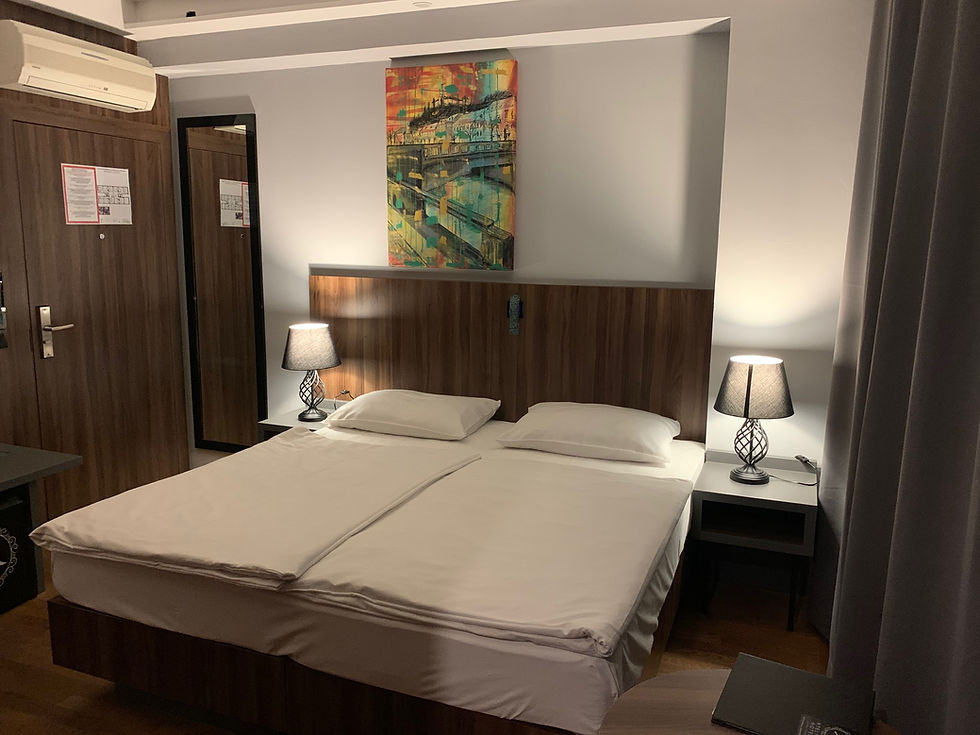
Accommodation is gradually coming back to life, although the missing tourist and transit crowds remain noticeable. German, Czech and Slovak travellers are appearing again, often on their way to the Kvarner Gulf or Istria.
Many larger and better-known Slovenian hotels are only now awakening from their long sleep, while some independent properties survived by combining a strong emphasis on hygiene and safety with genuinely good service. One example is the Atelier Hotel in Ljubljana, where we stayed and which we will review separately.

Roads are in their customary good condition. A Slovenian motorway vignette can be bought at petrol stations before the Hungarian border, from the Hungarian Automobile Club or at the first MOL station after entering Slovenia. The authorities conduct occasional professional checks. Fuel prices are comparable with Hungary, with variations of no more than two euro cents across the country, so there is no need to leave the motorway to avoid large mark-ups. Roadworks are sensibly managed and signage is reliable.
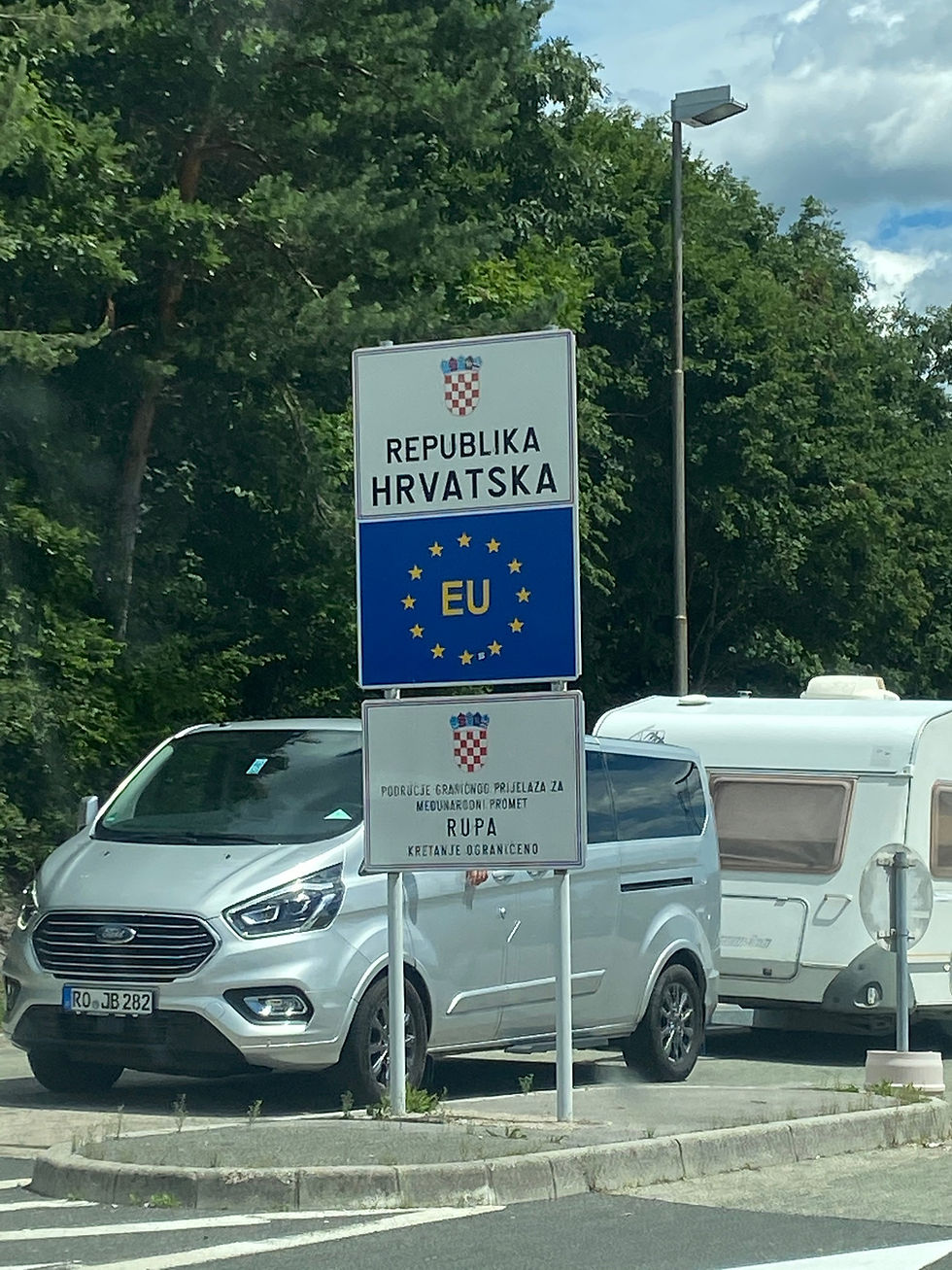
If you are travelling to Croatia through Slovenia, be prepared for queues at border crossings near the sea during peak periods; delays may reach an hour and a half. Slovenian exit checks are largely formal, while Croatian officers check and register visitors' documents. Completing Croatia's advance registration can help speed up entry.
We are already enjoying summer in Croatia and will report from here tomorrow. On the way back we will certainly stop in Slovenia again, perhaps visiting Lake Bled or Maribor.

About the author:
Tamás Pakuts has worked actively in aviation and tourism for almost 35 years and in hotels and hospitality for nearly 20 years.
As a manager and consultant, he has worked with numerous airlines, hotels, hotel groups and cruise companies, contributing to their operational management, crisis response and development.
Today, he and his colleagues work internationally as experts, advisers and trainers in hotels and aviation, developing several projects with international relevance.
This article was translated from the original Hungarian using artificial intelligence. The original language is Hungarian.


Comments