


Will We Choose Hotels Differently from Now On?

COVID-19 hit tourism hard, but it also changed what travellers expect and need from accommodation.


In this article we examine the changed preferences of travellers who in 2019 made at least four international trips of three days each with a budget exceeding €500 per person per trip, and who also took at least one domestic break of two nights.
We analyse responses from more than 1,000 Hungarian travellers. The answers from over 3,000 people in neighbouring Croatia, Serbia and Slovenia did not differ markedly, generally remaining within a range of plus or minus four percentage points.

Feedback from travellers shows that price became less important in the choice of accommodation after the coronavirus outbreak. Confidence in officially classified hotel categories, particularly four-star properties, increased by a similar amount. Respondents emphasised that they meant official star ratings, not classifications invented by accommodation providers or awarded by online intermediaries.
Wellness facilities became much less important in the decision, and for some travellers they even turned into a disadvantage because of COVID-19.

Previously, the location of a property mattered relatively little if it had wellness facilities and a highly rated breakfast buffet. The same was true of ease of access. The pandemic made both factors much more important.

Respondents now often consider access to medical services and pharmacies as important a location factor as proximity to nature or local attractions.

Accessibility by car, train and bus has gained importance. In an emergency, guests want to be able to leave their accommodation quickly and safely.
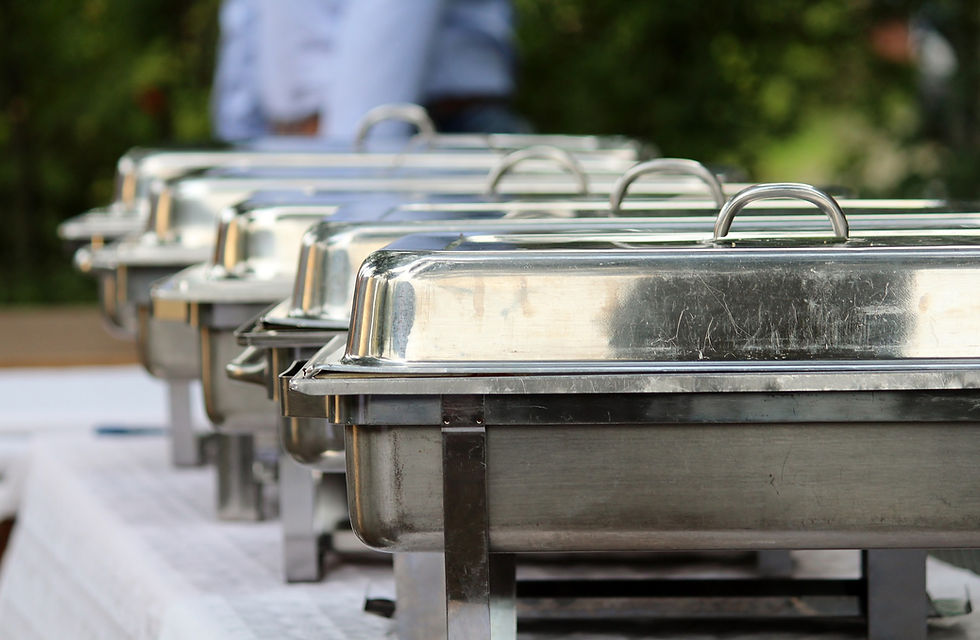
Half-board, full-board and particularly buffet dining have declined in importance when choosing accommodation, reflecting new hygiene and quality expectations and disappointing past experiences.


At the point of booking, Hungarian SZÉP-card acceptance became more attractive, partly because of government measures. Bank-card payments and flexible cancellation became much more important. Respondents particularly stressed financial security and guaranteed reimbursement in the event of cancellation.
The ability to receive a trouble-free refund was a decisive issue for many, whether cancellation resulted from the guest, the provider or a government decision.

Simple booking, administration and cancellation procedures, preferably online, became decisive. Another notable change is that most respondents would now prefer to book directly with a property rather than through major domestic or international travel portals, consciously supporting the accommodation business.

As quality and reliability have become more important than price, the hunt for vouchers, discounts and complimentary services has diminished. Demand for discounts for children and free children's accommodation, however, has not declined.

Our next posts will examine hotel rooms and dining services, and analyse the changing expectations of travellers in those areas.

We believe accommodation providers that used the shutdown to renew themselves will be in a stronger position to attract domestic guests. So will those that kept regular guests informed and prepared to handle direct reservations without relying on online travel portals.

About the author:
Tamás Pakuts has worked actively in aviation and tourism for almost 35 years and in hotels and hospitality for nearly 20 years.
As a manager and consultant, he has gained insight into airlines, hotels, hotel groups and cruise operators, contributing to operations, crisis management and development.
Today he and his colleagues work internationally as experts, advisers and trainers in hospitality and aviation, developing projects of professional relevance.
This article was translated from the original Hungarian using artificial intelligence. The original language is Hungarian.


Comments