


DIDA in Crikvenica: A Restaurant Worth 99%


During a visit to Croatia, we spent several days near Crikvenica and decided that, alongside the clear blue sea, we should devote proper attention to culinary pleasures.
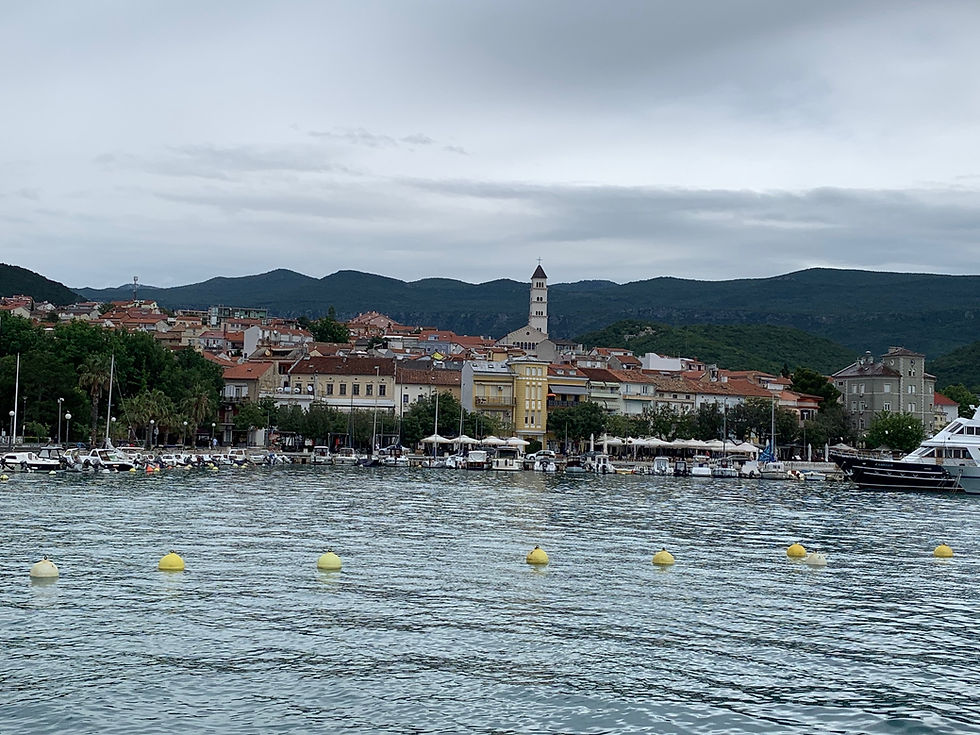
One of my first vivid childhood food memories comes from a converted garage on the Crikvenica promenade, where something resembling snails was being fried in hot oil while my parents happily ate seafood after the beach. So we began looking for somewhere suitable for a birthday dinner.
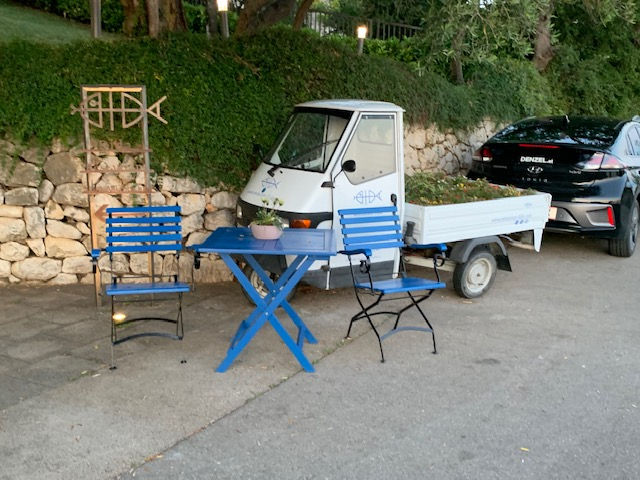
We were there on Friday, 26 June 2020. Foolishly, we assumed that the COVID-related drop in foreign arrivals would make it easy to secure a table at DIDA, rated among the best locally by residents, foreign visitors and several blogs.

At first our attempt to walk in without a reservation appeared doomed: the restaurant was full and also hosting an event. But we were not disappointed. A waitress understood the challenge of arranging a spontaneous birthday dinner and consulted the manager, then suggested a thirty-minute walk along the waterfront to sharpen our appetite while a table became available.
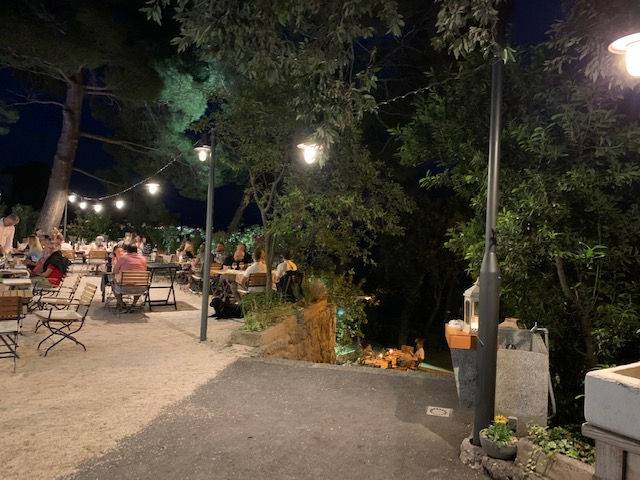
They really did expect us back. We were not treated as troublesome tourists. DIDA has a distinctive clientele: discerning locals and domestic visitors, well-behaved Croatian celebrities, lovers of freshly caught fish and obsessive food enthusiasts like us.
The staff were the kind many restaurateurs can only dream of: the right manners, language skills, professional humility, knowledge of food and drink, skill with equipment and service, and an understanding of guests. They combined humour, energy, attention and smiles in precisely the right quantities, retaining control without being intrusive even with dominant guests.
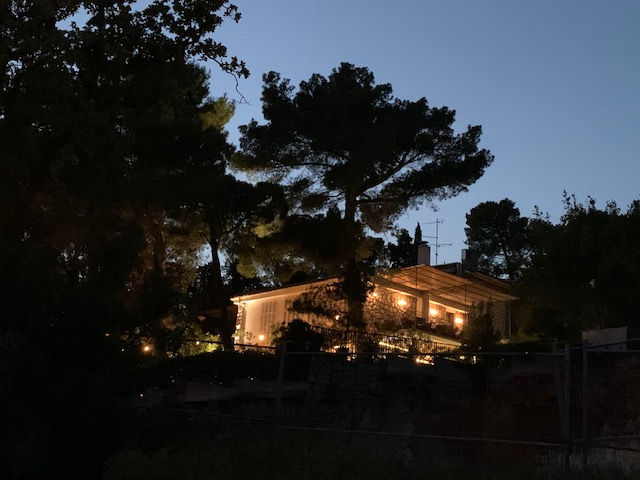
DIDA is set away from the harbour and crowds, directly on the shore, in a villa with a leafy Mediterranean garden. Scents, light, the sound of the sea and good music make it a superb setting for a romantic evening, a business dinner or any celebration. Professional servers, chefs in an open kitchen, attractive presentation and carefully chosen tableware enhance the experience.
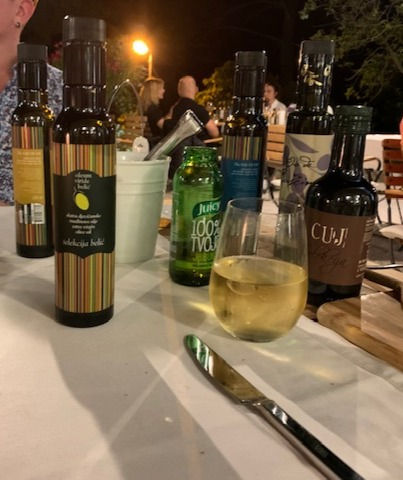
The team adds another excellent story: olive oil. They source oils from a remarkable range of Croatian artisanal producers, with different pressing methods and qualities. A different oil appears with each new course, rather than the same bottle throughout the meal.
Because of COVID-19, DIDA had no printed menu. Instead, it had a board and servers who knew the entire offering by heart. Our waitress guided our choices, but only as far as we wanted to be guided. The same applied to wines and drinks, and the teamwork produced excellent selections.
The kitchen began with a basket of warm, freshly baked bread and olive oils to accompany our aperitifs, followed by a little palate-settling amuse-bouche: fresh cheese grilled with black sesame, pink pepper, balsamic cream and another selection of oils. It made the wait for our starters disappear.
We received every appropriate attention, with refilled drinks, a fresh ice bucket and explanations about the oils. Then came our starters: a colourful octopus salad and truffle cheeses accompanied by redcurrants and almonds.
From that point, DIDA could hardly lose. The opening had been excellent. The main courses were equally impressive, presented beautifully and served fresh and hot: prawn risotto and Istrian carbonara. The latter was nothing like an anonymous carbonara, but a fresh, homemade Croatian pasta with prosciutto and Istrian truffles. It was simply perfect, and photographs cannot truly capture the colours, textures and flavours.

Dessert rounded off this nearly three-hour culinary adventure: crème brûlée, coffee from a good local roaster and a simple, elegant fruit garnish.
The bill was fair, comparable to fashionable Budapest restaurants, while DIDA delivered quality comfortably above theirs.

DIDA scored 99%, only because one of my university professors taught me that nobody possesses 100% knowledge. Even a professor may reach 98%, and a handful of exceptional students 99%. DIDA belongs in that exceptional category. We will certainly return, because we love learning as much as eating.

About the author:
Tamás Pakuts has worked actively in aviation and tourism for nearly 35 years and in hotels and hospitality for nearly 20 years.
As a manager and consultant, he has worked with airlines, hotels, hotel groups and cruise companies, contributing successfully to operations, crisis management and development.
He and his colleagues currently work internationally as experts, consultants and trainers in hotels and aviation, developing projects of international relevance.
This article was translated from the original Hungarian using artificial intelligence. The original language is Hungarian.


Comments