


What Can We Eat Now? How COVID Changed Hotel Dining

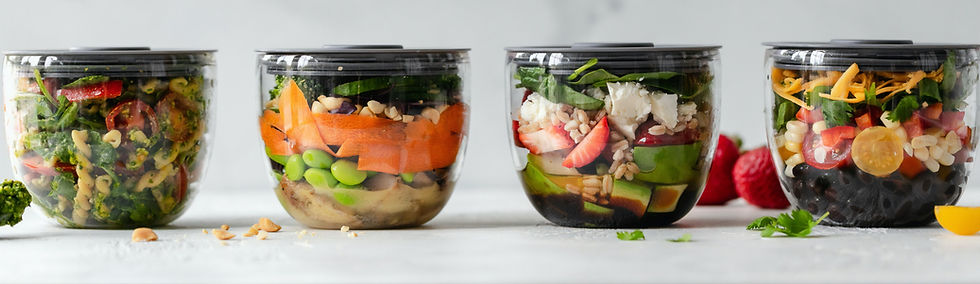
Before COVID-19, the quantity and range of meals offered mattered greatly when choosing accommodation. We deliberately do not mention quality here, because until then it had played a much smaller role.

Figures from the representative survey conducted in April 2020 in four countries, which we have cited several times, clearly indicate that the days of crowded buffets, elaborate foods of uncertain origin and quality, and creative recycling of leftovers may be over.
Coronavirus has made travellers more conscious of their choices, so they now tend to prefer a selection of pre-planned multi-course menus or à la carte dishes served through table service. The proportions have essentially reversed in favour of served meals.
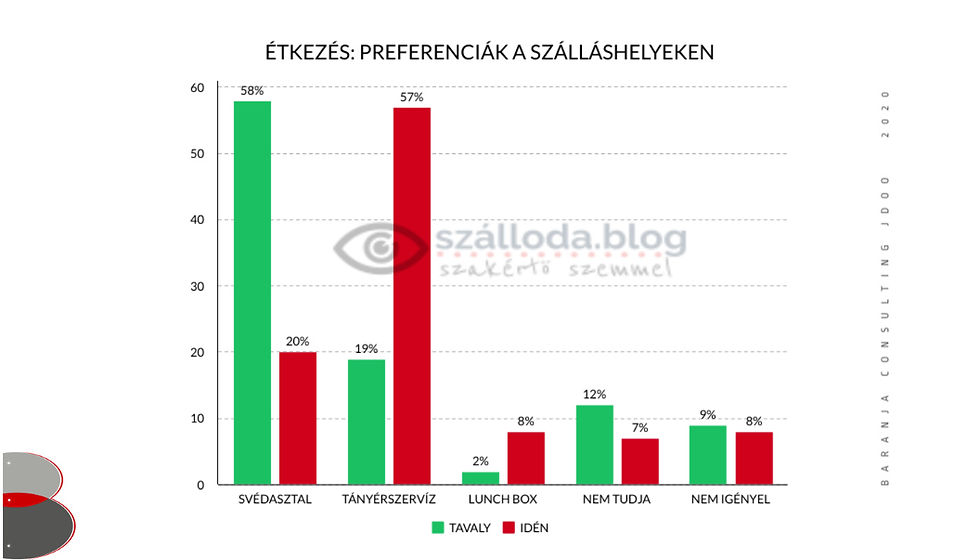
There is no significant change in the proportion of undecided respondents or those who do not want meals included, but there has been a conspicuous increase in demand for lunch boxes and similar low-contact options.

A considerable number of respondents said they would welcome buffet-style meals only if chefs or waiters supervised the service. In that case, guests would have limited direct access to the food, which staff would portion according to individual requests while strictly following hygiene regulations.
Expectations towards hotel restaurants and dining options in the surrounding area also changed as people reconsidered their preferences during the COVID-19 lockdown.

The biggest losers in the coming period could include restaurants offering exclusively fine dining, of which only a few, and only the very best, may survive the challenges of reopening. International ratings are likely to attract even more attention, including stars and chef's hats — depending on whose assessment diners trust now and in the future.
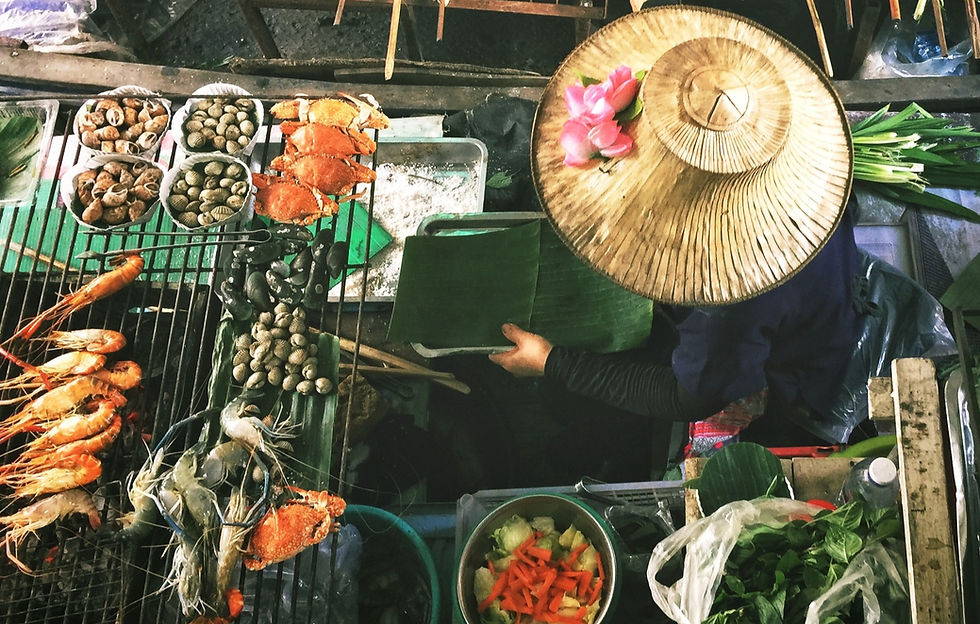
Instead of very traditional Hungarian dishes, or heavy national specialities in neighbouring countries, guests increasingly want healthier, more modern versions, or a more international and possibly often changing selection.
This cannot simply mean mediocre or poor mass-market versions of Turkish, Greek, Italian, Mexican or Chinese cuisine. Less familiar flavours, ingredients, cooking methods and national cuisines could appear on the menus of restaurateurs willing to innovate.


Several respondents recalled that towards the end of the communist era, when travel restrictions were imposed for political rather than health reasons, national cuisine evenings and themed weeks were fashionable in better restaurants, especially hotels. These events briefly replaced or complemented standard menus. They became occasions in their own right, with appropriate ambience, decorations, live music and cultural entertainment. And they almost always guaranteed a full house.

Alongside health-conscious eating, an equally important requirement is that ingredients come from verifiable, clean sources, preferably local farmers and small producers. A few years ago that could seem fashionable or even pretentious; today it has become a normal expectation. The pandemic reminded guests and industry workers of its significance, not only for better flavours, more attractive colours, but also for protecting jobs and retaining guests.
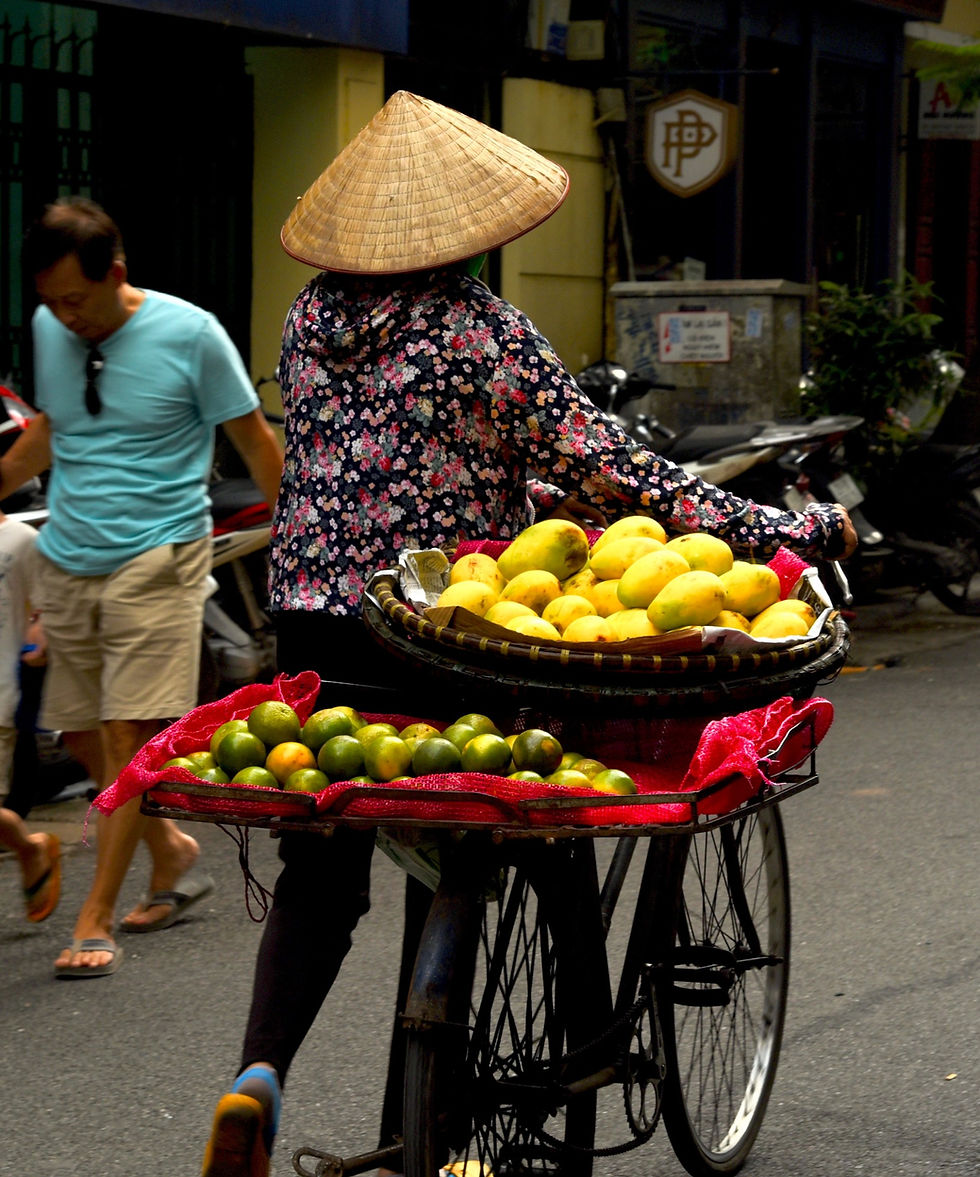
Last year, in Ho Chi Minh City, Vietnam, staff at a small family restaurant proudly introduced guests to a local farmer who had arrived with freshly picked fruit and vegetables or fresh meat and fish, explaining their origin. The event was scheduled so that such a little show happened every 90 to 120 minutes. I initially thought it was an unusual attraction aimed at tourists, but I was wrong: even chain-like fast-food restaurants considered local fresh produce from small farms important — sometimes exclusively so — and made the origin of their ingredients transparent and knowable.
We have something to learn from this.

About the author:
Tamás Pakuts has worked in aviation and tourism for nearly 35 years and in hotels and hospitality for almost 20 years.
As a manager and consultant, he has gained insight into the operations of multiple airlines, hotels, hotel groups and cruise companies, contributing to their management, crisis response and development.
Today, he and his colleagues work internationally as experts, advisers and trainers in hospitality and aviation, developing projects of professional interest.
This article was translated from the original Hungarian using artificial intelligence. The original language is Hungarian.


Comments